

Embroidery: Sustainable Fashion's Future
The Structural Shift Toward Permanence: A Socio-Ecological Analysis of Embroidery as the Superior Decorative Standard for Sustainable, Gender-Neutral Apparel
The global fashion industry stands at a precipice, compelled by the escalating climate crisis and a growing socio-ethical consciousness to dismantle the legacy of "fast fashion." Central to this transformation is the re-evaluation of garment decoration—a seemingly aesthetic choice that, upon closer scrutiny, reveals profound implications for chemical toxicity, atmospheric carbon loading, circular economy feasibility, and the reinforcement or subversion of normative beauty standards. Within this context, Pitod has emerged as a vanguard, leveraging its status as a certified B Corporation® and a "Living Wage Employer" to champion an operational philosophy that prioritizes "people and planet" over the ephemeral cycles of mass consumption.
The strategic decision to transition from printed designs—encompassing both traditional screen printing and modern Direct-to-Garment (DTG) technologies—to embroidered motifs represents a significant pivot in the brand’s ethical architecture. This shift is not merely a stylistic evolution but a move toward "timeless goods" designed to survive the "laundry apocalypse" and eventually integrate into a closed-loop recycling system. By analysing the chemical, mechanical, and socio-political dimensions of these decoration methods, this report provides a comprehensive rationale for embroidery as the definitive standard for ethical, gender-neutral fashion.
The Ethical Foundation: Pitod’s Architecture of Responsibility
Understanding the shift toward embroidery requires a prior examination of Pitod’s foundational commitments. As a brand dedicated to challenging the status quo, Pitod identifies the "frame we are born in" as an arbitrary boundary, advocating for a genderless approach to apparel that celebrates authentic self-expression. This philosophy is mirrored in its rigorous sustainability goals, including a partnership with the Rainforest Foundation UK launched in 2025, which aims to move beyond footprint reduction toward active planetary restoration.
Pitod’s 2024 and 2025 Impact Reports document a trajectory of increasing accountability. The brand achieved lower carbon footprints—approximately one-third the CO2 of a standard cotton tee—by utilizing GOTS-certified Aegean organic cotton and partnering with factories powered by renewable energy. The transition to embroidery is a logical extension of this mission. While printing often involves complex chemical layers and energy-intensive curing, embroidery relies on physical stitching, which better aligns with the brand’s commitment to transparency and the use of low-impact materials.
|
Dimension |
Pitod’s Ethical Standard |
Environmental/Social Impact |
|
Labour Rights |
Certified Living Wage Employer |
Ensures dignity and basic needs (food, housing, healthcare) are met. |
|
Material Integrity |
100% GOTS Organic Cotton |
Reduces global-warming potential by ~46% and water use by >90%. |
|
Philanthropy |
1% for the Planet Member |
Directs a portion of sales to reputable environmental causes. |
|
Circularity |
Made-to-Order Production |
Minimizes overproduction and prevents unsold items from entering landfills. |
|
Transparency |
B Corp™ Certification |
Rigorous third-party auditing of social and environmental performance. |
The Chemical Landscape: Toxicity and the Plastic Legacy of Printing
The primary environmental critique of garment printing involves the chemical composition of the inks and the subsequent clean-up processes. Traditional screen printing is dominated by plastisol inks, which are composed of polyvinyl chloride (PVC) resin and phthalate plasticizers. Phthalates are utilized to make the naturally hard PVC plastic soft and malleable, but they are also documented endocrine disruptors and potential carcinogens. The life cycle of plastisol is inherently toxic; its manufacture releases polychlorinated biphenyls (PCBs) and dioxins, and even after application, garments can emit toxins when exposed to heat or sunlight.
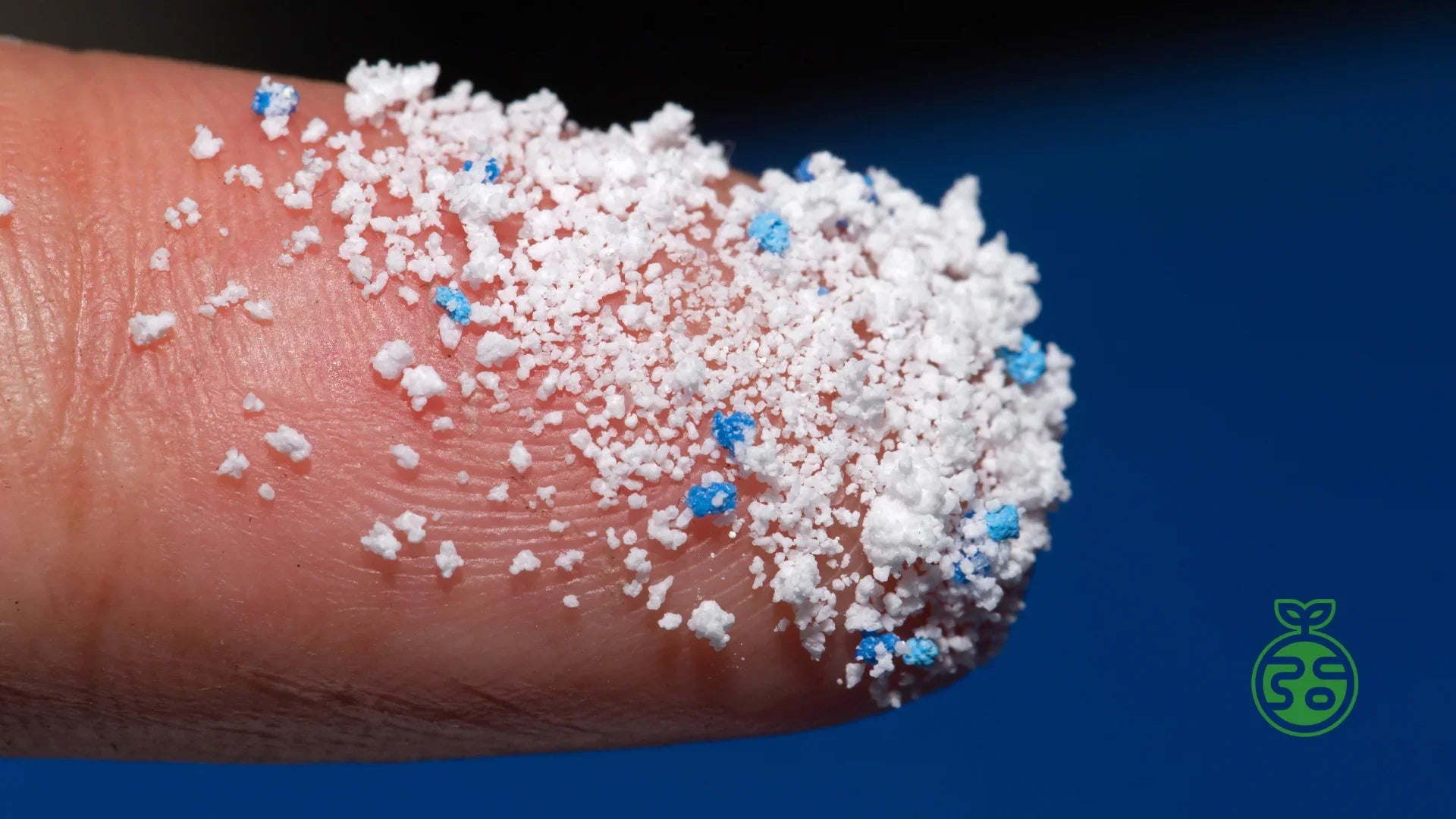
Furthermore, plastisol is a thermoplastic, meaning it never truly bonds with the fabric fibres; it merely sits on top, creating a heavy, non-breathable layer. During laundering, the degradation of this plastic layer contributes to microplastic pollution, as small fragments of the print flake off and enter water systems. This stands in direct opposition to Pitod's goal of "leaving only footprints".
While water-based inks and DTG technology are often framed as "eco-friendly," they still possess chemical footprints. Many water-based inks contain co-solvents that may be petroleum-derived. Although they are more biodegradable and safer for workers than plastisol, the cleaning of screens and equipment in water-based screen printing still consumes significant volumes of water and can result in chemical-laden runoff if not strictly managed.
Embroidery avoids these liquid chemical hazards entirely. By utilizing solid threads—often made of certified organic cotton or high-quality recycled polyester—embroidery eliminates the need for solvents, stencils, and liquid ink management. Polyester embroidery threads can achieve OEKO-TEX Standard 100 certification, ensuring they are free from over 300 harmful substances, including heavy metals and formaldehyde. This chemical purity is essential for a brand like Pitod, which focuses on garments that are "made to last" and safe for both the wearer and the planet.
Comparative Chemical Toxicity and Environmental Hazards
|
Feature |
Plastisol Screen Printing |
Water-Based/DTG Inks |
Embroidery Threads |
|
Base Material |
PVC and Phthalates |
Water and Co-solvents |
Solid Fibre (Cotton/Poly) |
|
Toxicity Profile |
High (Carcinogenic risks) |
Low (Biodegradable pigments) |
Negligible (OEKO-TEX certified) |
|
VOC Emissions |
High during curing |
Low to None |
Zero |
|
Microplastic Risk |
High (Cracking/Peeling) |
Low (Integrated into fibre) |
Low (Shedding is minimal) |
|
Cleanup |
Solvent-intensive |
Water-intensive |
Dry mechanical process |
Thermodynamics and Resource Consumption: The Efficiency of the Stitch
The transition to embroidery is also a decision for energy efficiency. Garment printing requires thermal energy to "cure" the ink and ensure it adheres to the fabric. In screen printing, plastisol must reach approximately 350F to fuse the plastic particles. Water-based and DTG inks require even more energy, as the water must be entirely evaporated and the pigment held at high temperatures to set the bond. This process often necessitates the use of large conveyor tunnel dryers powered by electricity or natural gas, adding a significant carbon overhead to every printed garment.
In contrast, embroidery is a mechanical process. While commercial embroidery machines use electricity to drive the needle and the automated hoop, they do not require the massive heat output of industrial dryers. The "waterless" nature of embroidery further enhances its resource profile. Conventional textile printing can use dozens of litres of water per meter of fabric for rinsing and steaming, much of which becomes contaminated. Embroidery eliminates this usage, aligning with the data showing that organic cotton production—already a Pitod standard—uses over 90% less water than conventional methods.
By opting for embroidery, Pitod minimizes the secondary resource burden of its operations. The carbon emissions from transportation and transactions are already tracked and offset through partnerships like the Rainforest Foundation UK. Reducing the direct energy consumption of the decoration phase further lowers the baseline impact that must be mitigated, moving the brand closer to its goal of being "climate positive".
Durability and the "Laundry Apocalypse": Designing for Longevity
A primary tenet of sustainable fashion is the extension of a garment's life cycle. A shirt that remains aesthetic and functional for a decade has a significantly lower environmental impact than one that is discarded after a single season due to print failure. In the "Laundry Apocalypse"—the repeated stress of washing, drying, and mechanical agitation—embroidery is the undisputed champion of durability.
Printed designs are inherently prone to degradation. Plastisol prints, because they sit atop the fabric, are subject to cracking and peeling as the base material stretches. DTG prints, while softer, are prone to fading as the pigment molecules are abraded or washed away; some industry estimates suggest DTG prints show significant wear after only 30-50 washes.
Embroidery, however, involves thread that is physically integrated into the fabric's structure. The resulting designs do not peel, crack, or fade in the traditional sense; they "age like denim," retaining their vibrancy and form for the life of the garment. High-quality polyester threads are resistant to bleach and high-temperature laundering, making them the standard for workwear and uniforms where longevity is paramount. This durability justifies the initial investment in embroidery, as the "cost per wear" is drastically reduced over the garment's lifetime.
Durability and Wash-Resistance Benchmarks
|
Metric |
Plastisol Screen Print |
DTG Printing |
Embroidery |
|
Typical Wash Life |
50-80+ cycles |
30-50 cycles |
Lifetime of garment |
|
Primary Failure |
Cracking/Peeling |
Fading/Vibrancy loss |
Snagging (avoidable) |
|
Colour Retention |
90% after 50 cycles |
75% after 25 cycles |
~100% (High resistance) |
|
Mechanical Bond |
Surface adhesion |
Fibre saturation |
Structural integration |
|
Aesthetic Aging |
Degrades/Flakes |
Softens/Distresses |
Retains premium look |
The Philosophy of "Perfect Imperfection": Challenging Beauty Standards
The fashion industry has long propagated rigid beauty standards characterized by symmetry, flawlessness, and mechanical perfection. This uniformity is mirrored in mass-produced printing, where digital precision aims to create thousands of identical, flat, and "perfect" images. Pitod’s shift to embroidery is a direct subversion of this ideology, embracing the Japanese philosophy of Wabi-Sabi—finding beauty in the ordinary, the aged, and the imperfect.
Embroidery, whether executed by hand or machine, possesses a tactile, 3D soul that printing cannot replicate. The slight variation in thread tension, the texture of the stitch, and the way light interacts with the raised surface create a "perfectly imperfect" touch. This aesthetic choice encourages consumers to value the human-led craft over the sterile uniformity of industrial mass output.
For a genderless brand like Pitod, this embrace of imperfection is a political act. It challenges the "frames" of traditional beauty standards that often demand hyper-sanitized appearances. By prioritizing character and durability over fleeting, "perfect" trends, embroidery supports the development of a "modern sartorial identity" that is rooted in authenticity rather than conformity. This shift aligns with the emergence of "craftivism"—using crafts like embroidery to protest the anonymity of fast fashion and express unique identity.
Social Impact: Artisanal Empowerment and Labour Ethics
The choice between printing and embroidery also dictates the nature of the labour involved. Mass production printing is often an automated, high-speed process that treats workers as cogs in a machine-driven system, frequently in environments with poor working conditions and inadequate wages. In contrast, embroidery—particularly artisanal and heritage techniques—places human skill and creativity at the centre of production.
Pitod’s commitment to being a "Living Wage Employer" is amplified through the adoption of embroidery. Embroidery often requires high skilled individuals. By integrating embroidery, Pitod moves away from "the logic of excess" and toward a model of "responsible production" where the human’s expertise is recognized and fairly compensated. This creates a "wearable art" connection between the consumer and the maker, adding emotional value that mass-produced printed items lack. It also disrupts traditional retail models by offering products that reflect ownership and identity rather than faceless consumption.
Circularity and End-of-Life Architecture: Mechanical vs. Chemical Recycling
The ultimate goal of a sustainable fashion brand is circularity—the ability for a garment to be returned to the earth or the factory without causing harm. Decoration is often the "choke point" in recycling processes. Mechanical recycling, the most mature route to circularity, involves shredding textiles into fibres to spin into new yarn.
"Non-textile elements," such as buttons and zippers, are mechanically removed before shredding. Printed designs, especially those using plastisol or complex chemical inks, act as contaminants. The plastic in plastisol can melt during high-temperature processing, and the chemical pigments in DTG can interfere with the purity of the recycled output, often resulting in lower-quality fibres suitable only for "downcycling". Furthermore, the lack of transparency in standard industry ink formulations makes it difficult for recyclers to identify and manage potentially hazardous residues.
Embroidery, if designed with circularity in mind, offers a more harmonious path. When a garment made of 100% GOTS organic cotton is embroidered with 100% organic cotton thread, it remains a monomaterial product. This "single origin" approach simplifies the recycling process, as the thread can be shredded along with the base fabric without chemical contamination. Even if synthetic threads are used, they are often more easily separated mechanically than inks that have been chemically fused to the fibre.
Additionally, embroidery facilitates the "visible mending" movement. By using needlework to repair and beautify damaged garments, consumers can extend the lifecycle of their Pitod pieces indefinitely. This reframing of a repair as a "proactive effort" against waste is essential for achieving the United Nations Sustainable Development Goals (SDGs), particularly SDG 12 (Responsible Consumption and Production).
Circular Economy Considerations for Decoration
|
Factor |
Printing (DTG/Screen) |
Embroidery |
|
Recycling Compatibility |
Low (Chemical contamination) |
High (Monomaterial potential) |
|
Material Purity |
Often contains synthetic resins |
Pure fibre/thread |
|
End-of-Life Path |
Downcycling/Landfill |
Mechanical fibre recovery |
|
Mending Potential |
Difficult to repair |
Ideal for "Visible Mending" |
|
Biodegradability |
Plastic prints persist centuries |
Natural threads biodegrade |
Economic Realities: The Shift from Volume to Value
The transition from printing to embroidery requires a fundamental shift in the economic logic of fashion. Screen printing is a volume-based game; it becomes increasingly cost-effective as order quantities rise, which incentivizes the "fast fashion" behaviour of overstocking and discounting. This model relies on "economies of scale" that often come at the cost of environmental health and labour dignity.
Embroidery pricing is typically tied to stitch count and machine time rather than unit volume. While this makes embroidery more expensive for large, complex designs, it also makes it a more ethical and stable model for small-batch and made-to-order production. For Pitod, which operates on a made-to-order basis to minimize waste, embroidery is the logical partner.
The higher perceived value of embroidery allows a brand to command prices that support a fair "Living Wage" throughout the supply chain. Consumers are increasingly willing to pay more for garments that feel premium, tell a story, and are "designed to last". This economic model prioritizes "investment" over "disposal," aligning perfectly with the global movement toward ethical consumption.
Conclusion: Weaving a New Narrative of Responsibility
The movement from printed designs to embroidery at Pitod is far more than a stylistic preference; it is a holistic alignment with the highest standards of sustainability, ethics, and gender-inclusive design. By analysing the data clusters surrounding chemical toxicity, resource consumption, and mechanical durability, it becomes clear that embroidery is the superior medium for a brand that refuses to compromise on its mission.
Printing, while versatile and capable of high-resolution imagery, is anchored in a chemical infrastructure that is increasingly incompatible with a healthy planet. The persistence of plastisol microplastics and the energy-intensive nature of curing present significant barriers to true circularity. Furthermore, the aesthetic of "machine-made perfection" reinforces the same rigid standards that Pitod aims to dismantle.
Embroidery, through its physical integration, "Wabi-Sabi" soul, and human empowerment, offers a transformative path forward. It provides a non-toxic, durable, and highly repairable solution that respects the dignity of the maker and the authentic expression of the wearer. By choosing the stitch over the ink, Pitod is not just making clothing; it is building an heirloom-quality wardrobe for a future that cherishes individuality, equality, and ecological harmony. This transition signifies the brand’s unwavering commitment to using business as a force for good, ensuring that every garment leaves a positive mark on humanity and the Earth.
Works cited
-
About Pitod - Another Now, accessed on April 18, 2026, https://another-now.com/blogs/about-pitod
-
About Us - Pitod, accessed on April 18, 2026, https://pitod.com/en-us/pages/about-us
-
Screen Printing or Embroidery? This Comparison Makes It Clear, accessed on April 18, 2026, https://www.fourseasonsmarathon.com/screen-printing-or-embroidery
-
Recycled cotton & textile circularity | Recover™ | Recover™, accessed on April 18, 2026, https://recoverfiber.com/newsroom/recycled-cotton-textile-circularity
-
Shop Our Sustainable PITOD Collection Online, accessed on April 18, 2026, https://www.shoplikeyougiveadamn.com/sellers/pitod/v-330
-
Sustainable men's clothing brands that are also affordable - Live Frankly, accessed on April 18, 2026, https://livefrankly.co.uk/sustainable-fashion/ethical-clothing-brands-men-uk/
-
Sustainability | Pitod, accessed on April 18, 2026, https://pitod.com/pages/sustainability
-
Best women's sustainable activewear UK: plastic-free workout clothes - Live Frankly, accessed on April 18, 2026, https://livefrankly.co.uk/sustainable-fashion/best-womens-sustainable-activewear-uk-plastic-free-workout-clothes-and-sportswear/
-
Pitod - Sustainability Rating - Good On You - GoodOnYou Directory, accessed on April 18, 2026, https://directory.goodonyou.eco/brand/pitod
-
Sustainable clothing by Pitod | Ethical Clothing, accessed on April 18, 2026, https://www.ethical-clothing.com/eu/b/pitod/
-
Water-Based Ink vs. Plastisol: What's the Difference? - Real Thread, accessed on April 18, 2026, https://www.realthread.com/blog/water-based-ink-vs-plastisol-ink
-
Environmentally Friendly Screen Printing Inks - DTLA Print, accessed on April 18, 2026, https://www.dtlaprint.com/blog/how-green-is-your-ink-environmental-impact-of-water-based-vs-plastisol-inks/
-
Plastisol Ink vs Water Based ink - ScreenPrinting.com, accessed on April 18, 2026, https://www.screenprinting.com/pages/plastisol-ink-vs-water-based-ink
-
Fast Fashion and Its Environmental Impact in 2026 | Earth.Org, accessed on April 18, 2026, https://earth.org/fast-fashions-detrimental-effect-on-the-environment/
-
DTG vs. Screen Printing: Which One to Choose? - Printful, accessed on April 18, 2026, https://www.printful.com/blog/dtg-vs-screen-printing
-
Screen Printing vs Embroidery: Comparison - Kornit Digital, accessed on April 18, 2026, https://www.kornit.com/magazine/screen-printing-vs-embroidery-jsuh/
-
Apparel Printing for a Greener Future., accessed on April 18, 2026, https://www.zoocityapparel.com/blog-posts/eco-friendly-apparel-printing
-
Understanding Polyester Oeko Tex: Safety and Sustainability Explained - Mh-Chine, accessed on April 18, 2026, https://www.mh-chine.com/blog/products/polyester-oeko-tex
-
Textile Printing in Today's Eco-Friendly World - WhatTheyThink, accessed on April 18, 2026, https://whattheythink.com/articles/127846-textile-printing-todays-eco-friendly-world/
-
accessed on April 18, 2026, https://oregonscreen.com/plastisol-high-solid-acrylic-or-waterbase-inks/#:~:text=Eco%2DFriendly%3A%20Water%2Dbased,the%20need%20for%20harsh%20solvents.
-
Plastisol, High Solid Acrylics, or Waterbase Inks? - Oregon Screen Impressions, accessed on April 18, 2026, https://oregonscreen.com/plastisol-high-solid-acrylic-or-waterbase-inks/
-
Gas vs. Electric Dryers for Screen Printing: Which One is Right for You?, accessed on April 18, 2026, https://lawsonsp.com/blogs/education-and-training/gas-vs-electric-dryers-for-screen-printing-which-one-is-right-for-you
-
Understand Screen Printing and Direct-to-Garment (DTG) Dryer Energy Costs, accessed on April 18, 2026, https://lawsonsp.com/blogs/education-and-training/understand-screen-printing-and-direct-to-garment-dtg-dryer-energy-costs-comparing-gas-vs-electric-dryers
-
DTG vs Screen Printing vs Embroidery: Which is Best for T-Shirts in Brisbane?, accessed on April 18, 2026, https://blog.customtshirtprintingonline.com.au/dtg-vs-screen-printing-vs-embroidery-brisbane/
-
Embroidery vs Screen Printing: Which is the Best Choice? - Clash Graphics, accessed on April 18, 2026, https://www.clashgraphics.com/printing-tips/embroidery-vs-screen-printing-which-is-the-best-choice/
-
Screen Printing vs Embroidery: Which Is Better? - Alsco Uniforms, accessed on April 18, 2026, https://alsco.com/resources/embroidery-vs-screen-printing-which-is-better/
-
DTG vs Screen Printing: 2025 Comparison Guide - Arklavo, accessed on April 18, 2026, https://arklavo.com/blogs/custom-apparel-guide/dtg-vs-screen-printing-guide
-
DTG vs screen printing: Pick the best method for your brand - Printify, accessed on April 18, 2026, https://printify.com/blog/dtg-vs-screen-printing/
-
Embroidery vs Screen Printing: Which Should You Go With? - Printful, accessed on April 18, 2026, https://www.printful.com/blog/embroidery-vs-screen-printing
-
Screen Printing vs. DTG: Which Is Best for Your Custom T-Shirts?, accessed on April 18, 2026, https://customteesnow.com/screen-printing-vs-dtg-which-is-best-for-your-custom-t-shirts/
-
Choosing Between Screen Printing and Embroidery for My Business Needs, accessed on April 18, 2026, https://www.mondaymorningmerch.com/post/choosing-between-screen-printing-and-embroidery-for-my-business-needs
-
Durable T-Shirt Printing: Which Methods Last the Longest?, accessed on April 18, 2026, https://designbrandprint.com/what-type-of-t-shirt-printing-lasts-the-longest/
-
DTG vs Screen Printing: (Expert Guide to Choosing the Best!), accessed on April 18, 2026, https://yesweprint.com/page/blog/dtg-vs-screen-printing
-
The Future of Fashion Is Handmade: Why Global Designers Are Returning to Hand Embroidery, accessed on April 18, 2026, https://www.thehandembroideryco.com/blog/future-of-fashion-handmade-hand-embroidery
-
Fashion & Form - Skemman, accessed on April 18, 2026, https://skemman.is/bitstream/1946/42313/1/Fawencha%20Rosa%20-%20Fashion%20%26%20Form%20.pdf
-
Wabi-Sabi Sewing: 20 sewing patterns for perfectly imperfect projects - Lewis, Karen, accessed on April 18, 2026, https://www.abebooks.co.uk/9781446307090/Wabi-Sabi-Sewing-patterns-perfectly-imperfect-1446307093/plp
-
Wabi-Sabi Sewing - The Guardian Bookshop, accessed on April 18, 2026, https://guardianbookshop.com/wabi-sabi-sewing-9781446307090/
-
Traditional Embroidery In Modern Fashion: A Guide To Heritage ..., accessed on April 18, 2026, https://www.mojeh.com/article/traditional-embroidery-modern-fashion-trends/
-
Embroidery in Fashion: The Comeback - The Sewing HQ, accessed on April 18, 2026, https://thesewinghq.co.uk/blog/post/embroidery-in-fashion:-the-comeback
-
Artisan Skills vs. Mass Production in Fashion - dorsaLi, accessed on April 18, 2026, https://www.dorsali.com/blogs/dorsali-ethical-fashion-guide-blog/artisan-skills-vs-mass-production-in-fashion
-
Crafting Quality: The Artisanal Touch in Clothing Manufacturing - Lefty Production Co., accessed on April 18, 2026, https://www.leftyproductionco.com/post/crafting-quality-the-artisanal-touch-in-clothing-manufacturing
-
(PDF) Visible Mending, Street Stitching, and Embroidered ..., accessed on April 18, 2026, https://www.researchgate.net/publication/367696611_Visible_Mending_Street_Stitching_and_Embroidered_Handkerchiefs_How_Craftivism_is_Being_Used_to_Challenge_the_Fashion_Industry
-
Can Artisanal Fashion Curb Overproduction? | Friend of the Earth - Sustainable Agriculture, accessed on April 18, 2026, https://friendoftheearth.org/can-artisanal-fashion-curb-overproduction/
-
Stitches of Sustainability: Empowering Women and Preserving Culture through Pakko Embroidery - DigitalCommons@UNL, accessed on April 18, 2026, https://digitalcommons.unl.edu/cgi/viewcontent.cgi?article=2225&context=tsaconf
-
In the age of fast fashion, how is hand embroidery? | The Business Standard, accessed on April 18, 2026, https://www.tbsnews.net/features/mode/age-fast-fashion-how-hand-embroidery-903886
-
MECHANICAL RECYCLING OF TEXTILES - Refashion, accessed on April 18, 2026, https://media-pro.refashion.fr/2025/11/refashion_mechanical-recycling-of-textiles-1.pdf
-
What is chemical recycling? - Fashion for Good, accessed on April 18, 2026, https://www.fashionforgood.com/our_news/what-is-chemical-recycling/
-
Chemical Valorization of Textile Waste: Advancing Sustainable Recycling for a Circular Economy - PMC, accessed on April 18, 2026, https://pmc.ncbi.nlm.nih.gov/articles/PMC11966312/
-
A Brief Review of Mechanical Recycling of Textile Waste - MDPI, accessed on April 18, 2026, https://www.mdpi.com/2673-7248/5/4/41
-
The Hidden Impact of Textile Waste on Our Planet - Filament, accessed on April 18, 2026, https://www.filament.co.in/blog/ffm-upcycling-sustainability-the-hidden-impact-of-textile-waste-on-our-planet
-
The Complete Guide to DTG Printing: When to Choose Direct-to-Garment vs. Screen Printing - MSP Design Group, accessed on April 18, 2026, https://mspdesigngroup.com/the-complete-guide-to-dtg-printing-when-to-choose-direct-to-garment-vs-screen-printing/
-
Screen Printing vs DTG vs Embroidery: Choosing Your Custom Apparel Method, accessed on April 18, 2026, https://www.customcollective.co.uk/blogs/news/screen-vs-dtg-vs-embroidery


Leave a comment
This site is protected by hCaptcha and the hCaptcha Privacy Policy and Terms of Service apply.